We’ve all been there-that uncomfortable, nagging feeling in your stomach that makes you want to curl up on the couch. Whether it’s from something you ate, stress, or just one of those days, stomach pain can really disrupt your routine. The good news? You don’t always need to rush to the pharmacy. A simple home remedy for stomach pain might be sitting right in your kitchen cabinet, ready to provide relief.
Many people struggle with occasional stomach discomfort, and finding natural ways to ease the pain can be both effective and gentle on your system. In this guide, we’ll explore practical remedies that have helped countless individuals find comfort when their stomach isn’t cooperating.
Table of Contents
- Understanding Stomach Pain and Its Common Causes
- Ginger: Nature’s Stomach Soother
- Peppermint for Digestive Relief
- The Healing Power of Heat Therapy
- Herbal Teas That May Calm Your Stomach
- The BRAT Diet and Gentle Foods
- Other Effective Home Remedies
- When to Seek Medical Attention
Understanding Stomach Pain and Its Common Causes

Before we jump into remedies, it helps to understand what might be causing your discomfort. Stomach pain comes in many forms-sharp, dull, cramping, or burning sensations-and each type might point to a different underlying issue.
Common Triggers of Stomach Discomfort
In real life, stomach pain often results from everyday situations. Indigestion after a heavy meal is incredibly common. You might notice discomfort after eating too quickly or consuming spicy foods. Gas and bloating can create that uncomfortable stretched feeling, while stress and anxiety can literally tie your stomach in knots.
For example, many people experience stomach upset during stressful situations like job interviews or important meetings. Others find that certain foods consistently trigger discomfort. Keeping track of when your stomach pain occurs can help you identify patterns and choose the most appropriate remedy.
Types of Stomach Pain
Not all stomach pain is created equal. Cramping often relates to gas or menstrual cycles. A burning sensation might indicate acid reflux or heartburn. Bloating typically involves trapped gas or water retention. Understanding your specific type of discomfort can guide you toward the most effective home remedy for stomach pain.
Ginger: Nature’s Stomach Soother
If there’s one remedy that stands out for stomach issues, it’s ginger. This humble root has been used for centuries across different cultures, and there’s a reason it’s stood the test of time.
How Ginger May Help Your Stomach
Ginger contains natural compounds called gingerols and shogaols that may help support digestive comfort. Many people find that ginger can ease nausea, reduce inflammation in the digestive tract, and promote smoother digestion overall. It’s particularly popular for motion sickness and morning queasiness.
Ways to Use Ginger for Relief
You have several options here. Fresh ginger tea is perhaps the most soothing-simply slice a thumb-sized piece of fresh ginger, steep it in hot water for 10 minutes, and sip slowly. Some folks prefer chewing on candied ginger or sipping ginger ale (though make sure it contains real ginger, not just flavoring). You can also add freshly grated ginger to smoothies or warm water with honey.
Peppermint for Digestive Relief

Peppermint isn’t just for fresh breath-it’s a powerful ally for your digestive system. The menthol in peppermint may help relax the muscles in your digestive tract, which can ease cramping and discomfort.
Peppermint Tea as a Gentle Solution
A warm cup of peppermint tea can work wonders when your stomach feels off. The warmth itself is comforting, while the peppermint may help reduce gas and bloating. Many people find that drinking peppermint tea after meals supports better digestion and prevents that overly full feeling.
Other Peppermint Options
If you’re not a tea drinker, peppermint can be consumed in other forms. Sucking on peppermint candies (sugar-free versions work too) or adding a drop of food-grade peppermint oil to water are alternatives. However, if you have acid reflux, you might want to skip peppermint, as it can sometimes relax the valve between your stomach and esophagus.
The Healing Power of Heat Therapy
Sometimes the simplest remedies are the most effective. Applying warmth to your stomach might seem too basic to work, but you’d be surprised how much relief it can provide.
Why Heat Works
Warmth may help increase blood flow to your abdominal area, relax tense muscles, and ease cramping. It’s particularly helpful for pain related to gas, bloating, or menstrual cramps. In my experience, many people underestimate how comforting a heating pad can be until they actually try it.
How to Apply Heat Safely
Use a heating pad, hot water bottle, or even a warm towel placed on your stomach. Keep the temperature comfortable-not scorching hot. Apply for 15-20 minutes at a time, and you can repeat as needed. Some folks like to lie down with a warm compress while sipping herbal tea for double relief.
Herbal Teas That May Calm Your Stomach
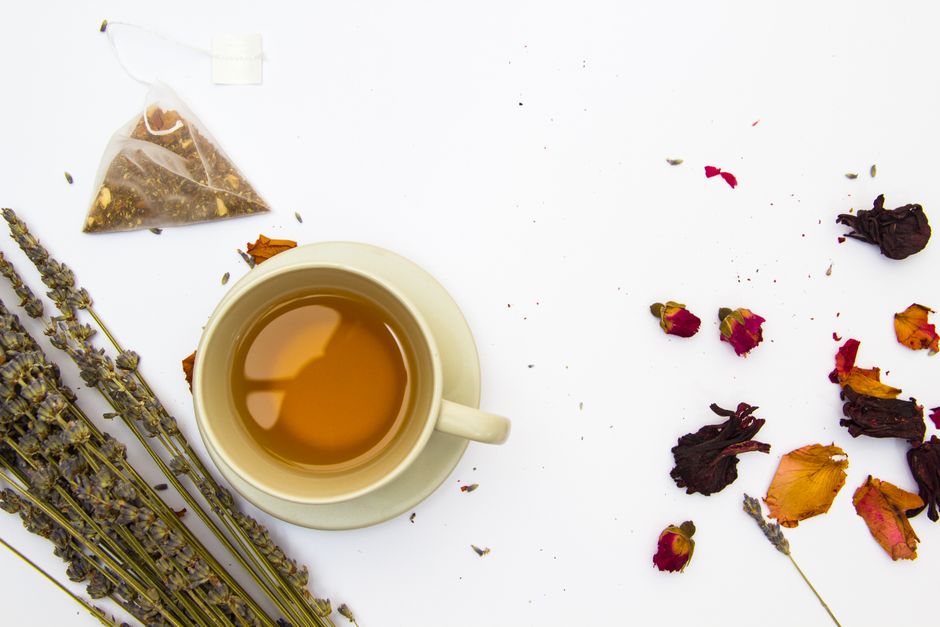
Beyond peppermint and ginger, several other herbal teas have traditional uses for digestive comfort. These gentle beverages can be both soothing and hydrating.
Chamomile Tea for Relaxation
Chamomile is famous for its calming properties, and that extends to your digestive system. It may help reduce inflammation and relax the muscles in your intestinal tract. Many people find chamomile particularly helpful when stomach pain is stress-related.
Fennel Tea for Gas and Bloating
Fennel seeds have been used traditionally to ease gas and bloating. The tea has a slightly sweet, licorice-like flavor that many find pleasant. Crushing the seeds before steeping can help release more of their beneficial compounds.
Licorice Root Tea
Licorice root may help soothe the stomach lining and support digestive comfort. It’s worth noting that this remedy isn’t suitable for everyone-those with high blood pressure should consult with a healthcare provider before using licorice root regularly.
The BRAT Diet and Gentle Foods
When your stomach is upset, what you eat matters just as much as any remedy you might take. The BRAT diet has been recommended for generations as a gentle way to eat during digestive distress.
What Is the BRAT Diet?
BRAT stands for Bananas, Rice, Applesauce, and Toast. These bland, easily digestible foods are gentle on your stomach and may help firm up loose stools if that’s part of your discomfort. They’re low in fiber and binding, which gives your digestive system a chance to rest.
Other Gentle Food Options
Beyond the basic BRAT foods, you might try clear broths, plain crackers, oatmeal, or boiled potatoes. The key is avoiding anything spicy, greasy, or heavily seasoned until your stomach settles down. Small, frequent meals often work better than large portions when you’re recovering from stomach upset.
Other Effective Home Remedies
Let’s explore a few more options that many people have found helpful for stomach discomfort.
Apple Cider Vinegar
Some individuals swear by apple cider vinegar for digestive issues. The theory is that it may help balance stomach acid levels. If you want to try it, mix one tablespoon of raw, unfiltered apple cider vinegar in a glass of warm water and drink it slowly. Start with a smaller amount to see how your body responds.
Baking Soda Solution
A tiny amount of baking soda mixed in water can act as a natural antacid for some people. However, use this sparingly-about 1/4 teaspoon in a glass of water-and don’t use it regularly without consulting a healthcare provider, as it can affect your body’s pH balance.
Probiotic-Rich Foods
Foods like yogurt with live cultures, kefir, or fermented vegetables may support your digestive health over time. While they might not provide instant relief, incorporating them into your regular diet could help prevent future stomach issues.
Stay Hydrated
This might sound obvious, but proper hydration is crucial for digestive health. Sipping water throughout the day, especially when your stomach is upset, helps everything move through your system more smoothly. Room temperature or slightly warm water is often easier on a troubled stomach than ice-cold beverages.
Leave a Reply